

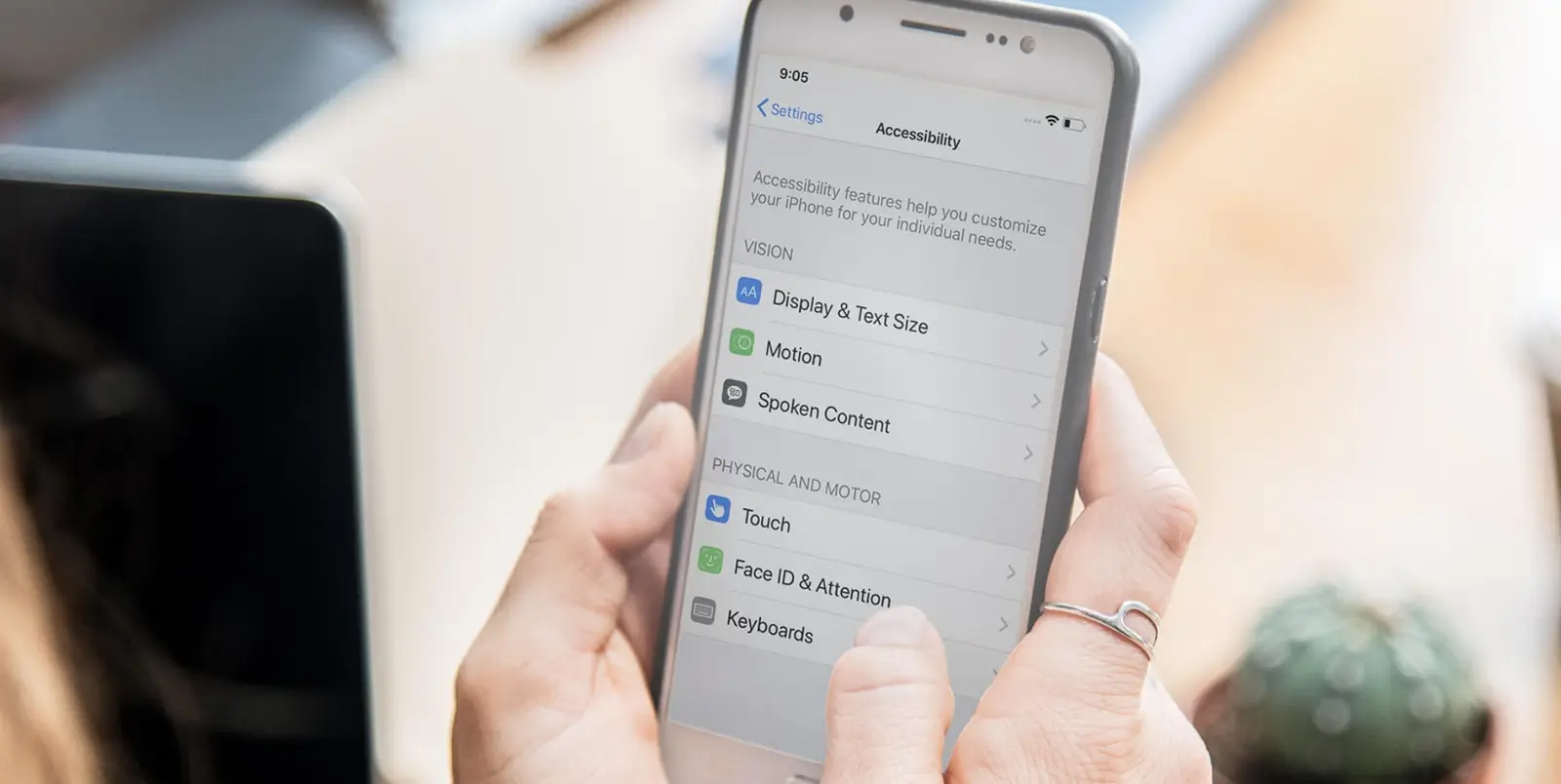
Historically, ensuring a mobile application met stringent accessibility standards required exhaustive manual testing, which was both time-consuming and prone to human error. Developers had to meticulously check every screen element, contrast ratio, and screen reader compatibility across various devices. This traditional approach often led to delayed releases and overlooked accessibility issues, ultimately hindering the user experience for individuals relying on assistive technologies to navigate their favourite mobile apps and essential digital services daily.
The landscape began to shift dramatically with the introduction of automated testing frameworks designed specifically for mobile environments. These sophisticated tools can now scan thousands of lines of code in seconds, identifying potential accessibility violations before the application even reaches the quality assurance phase. By highlighting missing alternative text or improper heading structures instantly, automation empowers developers to address critical accessibility flaws early in the software development lifecycle, saving valuable time and resources.
Furthermore, this shift towards automated accessibility checks fosters a more proactive culture within development teams across Australia. Instead of treating accessibility as an afterthought or a final compliance checklist, engineers can integrate these automated checks directly into their continuous integration pipelines. This ensures that every new feature or update maintains a high standard of inclusivity from the outset, paving the way for a more accessible digital ecosystem that truly accommodates every mobile user.
Streamlining WCAG Compliance with AI-Powered Testing Tools
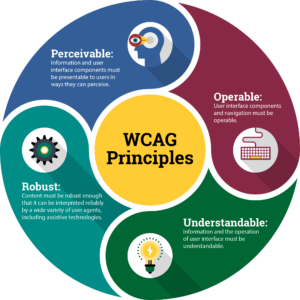 Navigating the complexities of the Web Content Accessibility Guidelines (WCAG) can be a daunting task for many mobile app development teams. These comprehensive standards demand a deep understanding of varied user needs, from visual impairments to cognitive disabilities. Artificial intelligence has emerged as a powerful ally in this domain, offering intelligent testing tools that not only detect compliance failures but also provide contextual recommendations on how to rectify them effectively within the app’s architecture.
AI-powered platforms excel at simulating diverse user interactions, mimicking how someone might use a screen reader or switch control device to navigate a complex interface. By running these simulated scenarios, the artificial intelligence can uncover nuanced accessibility barriers that simple automated scripts might miss. This deep level of analysis ensures that applications not only tick the boxes for WCAG compliance but genuinely provide a functional and frustration-free experience for individuals living with disabilities.
As these intelligent tools continue to learn from vast datasets of accessible design patterns, their accuracy in predicting and preventing compliance issues improves exponentially. Developers receive real-time, actionable feedback tailored to their specific codebase, bridging the knowledge gap that often exists regarding digital inclusion. Consequently, organisations can confidently release mobile applications that champion accessibility, knowing their products have been rigorously evaluated by some of the most advanced AI testing technologies currently available.
How Machine Learning is Revolutionising Adaptive User Interfaces
Machine learning algorithms are taking mobile app accessibility beyond static compliance by enabling the creation of truly adaptive user interfaces. Rather than offering a one-size-fits-all experience, these intelligent systems can learn from an individual’s interaction patterns and adjust the interface dynamically. For instance, if a user frequently struggles with small touch targets, the machine learning model can automatically increase the size of interactive elements, significantly reducing friction and enhancing the overall navigational experience.
This level of personalisation is particularly beneficial for users with motor or cognitive impairments, who may require unique interface configurations to interact with digital content comfortably. Machine learning can seamlessly adjust colour contrasts, simplify complex layouts, or even alter the reading speed of text-to-speech features based on real-time user behaviour. By anticipating these needs, mobile applications become intuitively accessible, fostering a sense of independence and empowerment for users who previously faced significant digital hurdles.
The potential for machine learning to craft bespoke accessibility profiles opens up exciting possibilities for the future of mobile design. As these algorithms become more sophisticated, they will be able to predict a user’s intent with greater accuracy, further streamlining the digital experience. This shift towards hyper-personalised, adaptive interfaces represents a major leap forward in our quest to build a more inclusive digital world where technology adapts to the user, rather than the other way around.
Leveraging the Latest AI News and Automation Trends for Inclusive Design
Staying informed about emerging technologies is crucial for developers committed to advancing digital inclusion. The rapid pace of innovation means new solutions for mobile accessibility are constantly being introduced to the market. By closely following the latest AI news and automation updates, development teams can discover cutting-edge tools and methodologies to enhance their accessible design practices. This proactive approach ensures that Australian organisations remain at the forefront of inclusive technology deployment and strategy.
Integrating these contemporary automation trends into daily workflows allows design teams to automate repetitive accessibility tasks, freeing up valuable time for more complex, creative problem-solving. For example, recent advancements in generative artificial intelligence have made it possible to auto-generate highly accurate audio descriptions for video content within mobile apps. Embracing these trends not only streamlines the production process but also significantly enriches the media experience for users who are blind or have low vision.

Furthermore, participating in the broader conversation surrounding artificial intelligence and its impact on society helps accessibility advocates shape the future of these tools. By understanding the capabilities and limitations of current automation technologies, industry professionals can push for more robust, ethical, and inclusive AI frameworks. Ultimately, remaining engaged with these technological advancements empowers creators to build mobile applications that truly reflect the diverse needs of our modern, digitally connected communities across the country.
The Future of Mobile Accessibility: Balancing Automation with Human Insight
While the benefits of artificial intelligence and automation in mobile accessibility are undeniable, it is vital to remember that technology alone cannot solve every inclusion challenge. Automated tools are incredibly efficient at identifying technical violations, but they often lack the nuanced understanding required to evaluate the subjective quality of a user experience. Therefore, a balanced approach that combines sophisticated automation with invaluable human insight remains the gold standard for achieving genuine digital accessibility.
Manual testing conducted by individuals with lived experience of disability is irreplaceable in the development process. These users can provide qualitative feedback that no algorithm can generate, highlighting practical barriers that automated scans frequently overlook. By pairing the speed and scale of AI testing with the empathetic, real-world perspectives of diverse user groups, organisations can ensure their mobile applications are not just technically compliant, but also genuinely welcoming and intuitive for everyone to use.
Looking ahead, the most successful accessibility strategies will be those that harmonise the analytical power of machines with the empathetic core of human-centred design. As automation continues to handle the heavy lifting of compliance checking, accessibility professionals can focus their expertise on advocating for systemic change and crafting truly inclusive digital narratives. This collaborative synergy between human and artificial intelligence will ultimately drive the next great wave of innovation in mobile application accessibility.
A Collaborative Future for Digital Inclusion
The intersection of artificial intelligence and mobile accessibility is creating unprecedented opportunities to build a more equitable digital landscape. By embracing automated testing tools and adaptive interfaces, developers can significantly reduce digital barriers for individuals with disabilities. However, maintaining a commitment to human-centric design is essential to ensure these technological advancements genuinely serve the community. Ultimately, leveraging smart automation alongside real user feedback will drive the next generation of truly inclusive mobile applications.