
I’ve watched cash disappear from everyday transactions over the past decade, and it’s been less dramatic than the headlines suggest. There’s no single moment when people stopped using bills and coins. Instead, it’s been a gradual shift driven by infrastructure changes, merchant decisions, and genuine convenience – but also by friction that many people don’t fully recognize until they need cash and can’t find it.
The decline isn’t uniform. Walk into a corner bodega in a major city and you’ll see the shift clearly: card readers at the counter, mobile payment signs, and fewer people reaching for wallets. But drive through rural areas or smaller towns, and cash still moves. The pattern follows infrastructure investment, merchant adoption rates, and population density. Banks have closed branches. ATM networks have consolidated. Payment processors have made digital transactions cheaper and faster than handling physical money.
What strikes me most is how the transition has been self-reinforcing. As fewer merchants accept cash, fewer people carry it. As fewer people carry it, merchants see less demand and invest less in cash handling. The feedback loop accelerates. A restaurant that once kept a cash drawer now processes everything through a point-of-sale system. A small grocery store that used to count cash at day’s end now deposits digital transfers. The infrastructure that supported cash – armored car pickups, coin sorting machines, cash management services – has shrunk accordingly.
The Real Driver: Merchant Economics
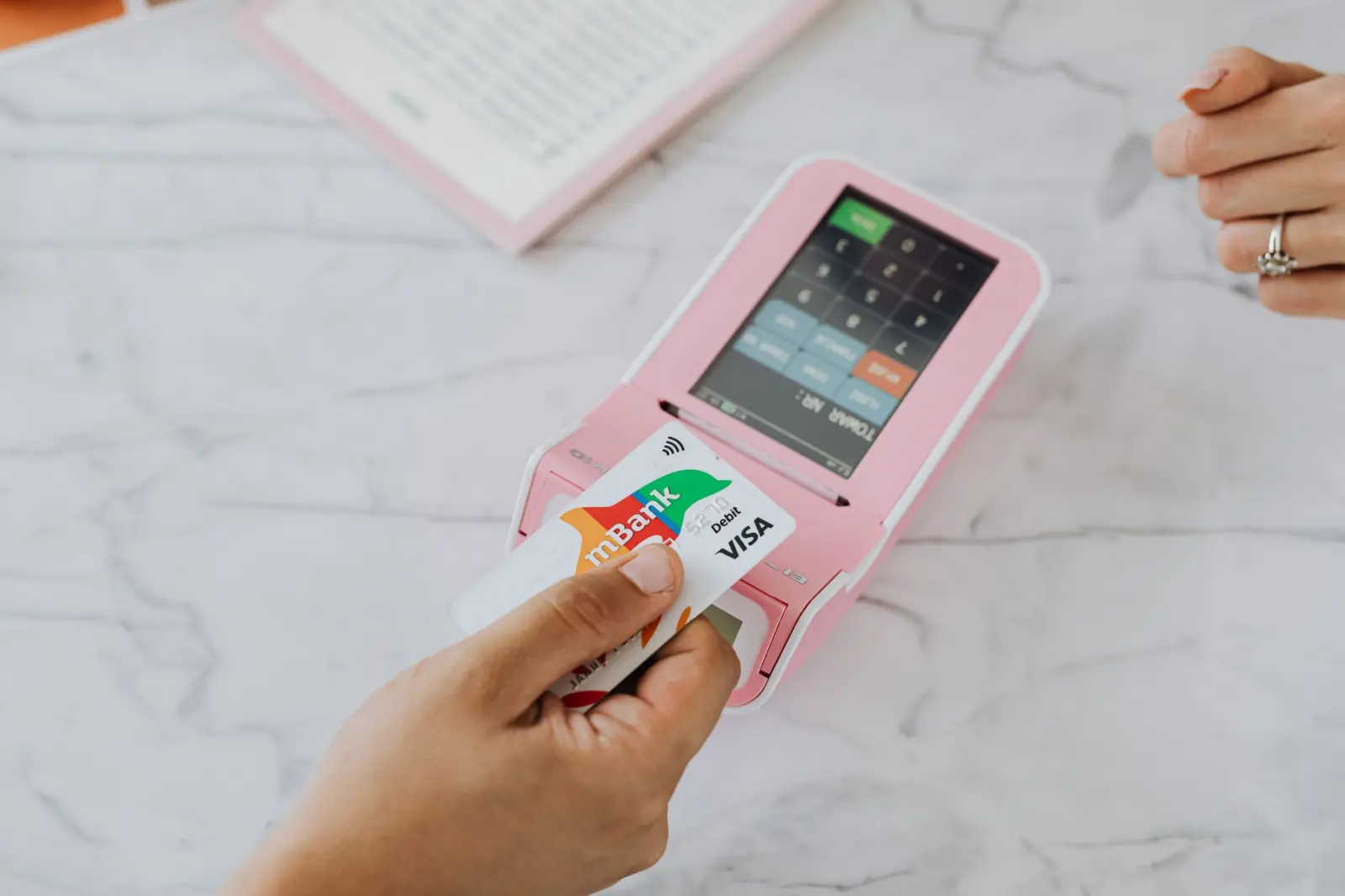
From a merchant’s perspective, cash is expensive. Handling it requires time, security measures, and reconciliation. A business has to count it, store it safely, arrange for deposits, and manage the risk of theft or loss. Digital payments, despite their own costs, offer something cash doesn’t: instant reconciliation, reduced handling time, and a clear audit trail. For a restaurant processing hundreds of transactions daily, the math is straightforward. Swipe-based or tap-based payments eliminate the cash drawer entirely.
Payment processors have also made digital transactions the path of least resistance. Interchange fees, processing costs, and terminal rental used to be significant barriers for small merchants. Over the years, those barriers have lowered. Square, Toast, and similar systems made it possible for a single person to accept cards from a phone. The cost per transaction dropped. The friction disappeared. Meanwhile, the cost of cash handling – labor, security, deposit time – remained constant or increased.
Banks have been quietly reshaping the cash infrastructure for years. They’ve closed branches, reduced ATM networks in less profitable areas, and shifted resources toward digital banking. When a bank closes a branch, it removes a cash distribution point. When ATM networks consolidate, people have to travel further to withdraw cash. These aren’t accidental changes. They reflect where banks see future demand and where they want to invest.
Consumer Behavior Follows Infrastructure
People use what’s convenient. When every store has a card reader and few have ATMs nearby, carrying cash becomes inconvenient. Digital wallets on phones have removed friction further. A person can pay for coffee, groceries, or transit without touching physical money. The experience is faster, and the record is automatic. For someone who travels or makes frequent small purchases, digital payment is genuinely easier.
But convenience masks a dependency that many people don’t notice until something breaks. A payment network outage, a forgotten phone, a card reader that doesn’t work – these create real friction. I’ve seen people unable to buy anything because they had no cash and the card system was down. The transition to digital-first payments has made us assume the infrastructure will always work, but it requires electricity, internet connectivity, and functioning systems. Cash doesn’t require any of those things.
Younger people have grown up with digital payments as the default. They’ve never needed to maintain a cash habit. Older people often prefer cash for budgeting or privacy reasons, but they’re also more likely to live in areas where ATMs are still available. The generational split is real, and it accelerates the decline in cash use among people who have other options.
The Friction Points Nobody Talks About
Cash is disappearing, but it hasn’t disappeared entirely, and there are moments when that matters. Small vendors – farmers markets, street food, independent shops – often prefer cash because it avoids processing fees. Some people still use cash to manage spending or maintain financial privacy. Certain populations, including unbanked or underbanked people, rely on cash because they don’t have access to digital payment infrastructure.
The shift has also created practical problems. Some cities have seen a rise in robberies targeting delivery drivers or service workers who now carry less cash but more valuable phones and cards. Homeless individuals and others who depend on cash donations have seen giving patterns change. Tipping culture, which relied on cash, has awkwardly transitioned to digital systems where people feel pressured to add percentages at every transaction.
Accessibility is another overlooked issue. Elderly people, people with disabilities, and those unfamiliar with digital systems can find themselves excluded when cash stops being accepted. A restaurant that goes entirely cashless might genuinely believe it’s modernizing, but it’s also making assumptions about who can pay and how. Some jurisdictions have started pushing back, requiring merchants to accept cash specifically because of these accessibility concerns.
The environmental argument gets made sometimes – digital payments reduce paper and coin production – but it’s worth noting that the infrastructure supporting digital payments has its own environmental cost. Data centers, network equipment, and device manufacturing all consume resources. The comparison isn’t as clean as it appears.
What’s Actually Changing
Cash isn’t vanishing everywhere at the same pace. In countries with strong digital infrastructure and high smartphone penetration, the decline is steeper. In places where internet connectivity is unreliable or banking infrastructure is underdeveloped, cash remains dominant. The global picture is fragmented.
What I observe most clearly is that cash is becoming optional rather than essential. For someone with access to banking, digital wallets, and reliable payment infrastructure, cash is a backup. For someone without those things, cash is still primary. The transition isn’t about cash disappearing entirely – it’s about it shifting from primary to secondary, from necessary to optional.
The infrastructure supporting cash continues to shrink, which means the friction of using cash will likely increase. Fewer ATMs, fewer merchants accepting it, fewer places to deposit it. At some point, the practical barriers to using cash might exceed the reasons to use it for most people. But that point hasn’t arrived uniformly, and it may never arrive completely. Cash has proven remarkably resilient in the past. It may settle into a niche rather than disappear entirely.