

Gold has held a peculiar place in human consciousness for thousands of years. It’s rare, it doesn’t corrode, and it’s easy to work with. But if you’ve ever looked at the actual market prices for metals, you’ve probably noticed something odd: platinum costs roughly double what gold does per ounce, and palladium has swung wildly between two and three times gold’s price. Rhodium, another platinum group metal, has occasionally traded at twenty times the price of gold. This isn’t a quirk of marketing or sentiment. It reflects something more fundamental about how metals exist in the earth and how industries actually use them.
The confusion usually starts with the word “rare.” Gold is genuinely uncommon. You won’t find gold nuggets in streams or veins in your backyard. But platinum group metals are actually rarer in absolute terms. Platinum itself occurs at roughly one-tenth the abundance of gold in the earth’s crust. Palladium is similarly scarce. Iridium, rhodium, and ruthenium are even less common. Yet rarity alone doesn’t set the price. I’ve worked with materials procurement long enough to know that scarcity only matters if someone actually needs the thing.
Geological Concentration and Mining Reality
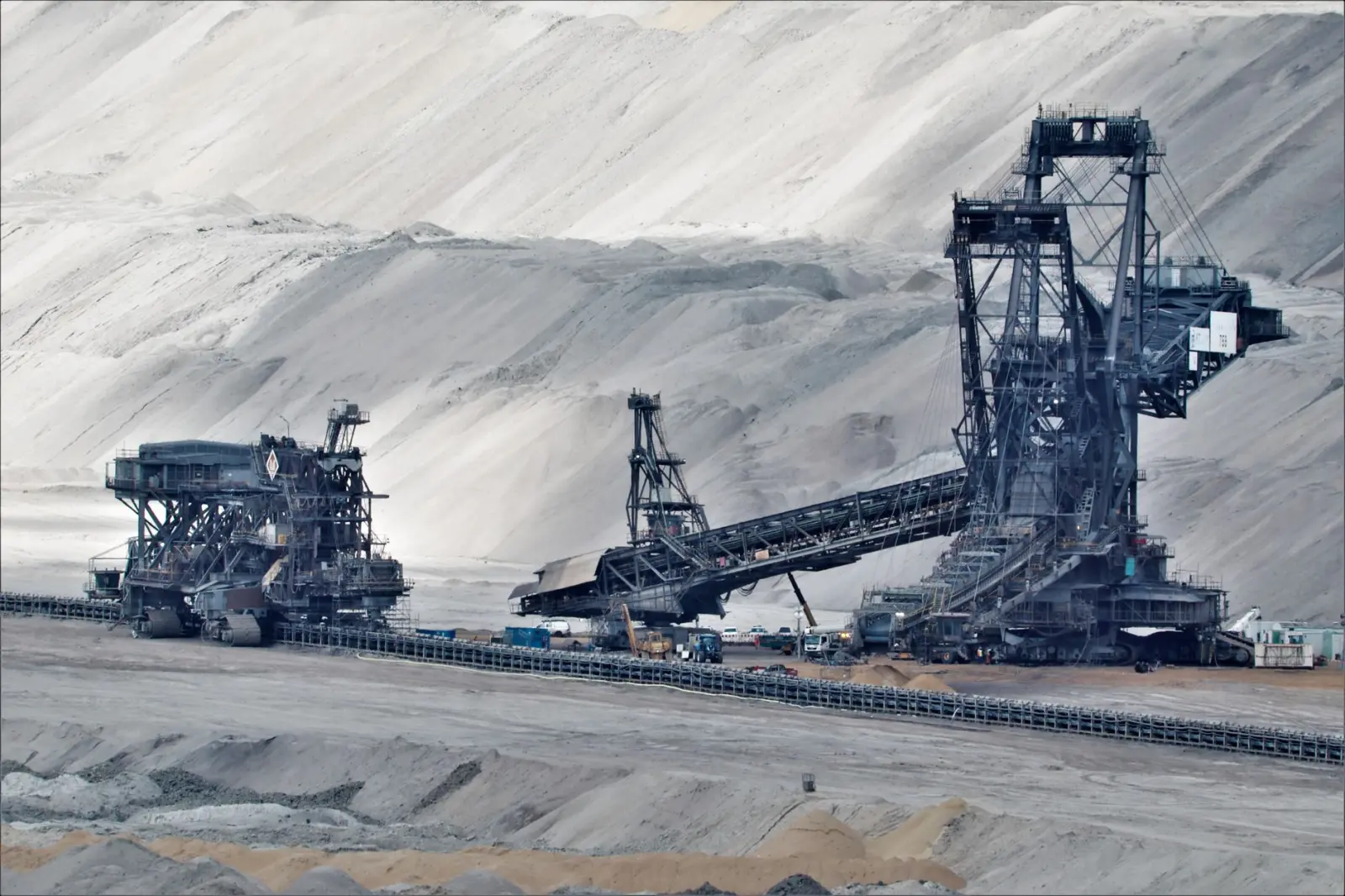
Here’s where geology becomes economics. Gold tends to concentrate in specific geological formations. When you find gold, you often find enough of it in one place to make mining worthwhile. A single gold deposit can yield millions of ounces. Platinum group metals are different. They’re scattered. They occur together in nature, but in much smaller quantities per ton of ore. A platinum mine might process hundreds of thousands of tons of rock to extract a few hundred ounces of platinum.
This matters enormously for the actual cost of extraction. Mining platinum isn’t just harder because it’s rarer. It’s harder because you have to move and process vastly more material to get a usable amount. The energy, labor, and equipment costs don’t scale linearly with the amount of metal you recover. You might spend the same amount processing ore whether you get five ounces or fifty ounces of platinum from it. That’s why platinum mining operations are concentrated in just a few places on earth. South Africa produces about 75 percent of the world’s platinum. Russia and Zimbabwe account for most of the rest. When you have that kind of geographic concentration, supply becomes vulnerable to political disruption, labor strikes, and infrastructure problems in ways that gold mining, spread across dozens of countries, simply isn’t.
Industrial Demand and Irreplaceability
Gold’s primary use is jewelry and investment. It’s beautiful, it’s fungible, and people have wanted it for millennia. That’s stable demand, but it’s not urgent demand. If gold prices rise, people buy less jewelry. The market adjusts. Platinum group metals work differently. Palladium is essential for catalytic converters in cars. Platinum is used in petroleum refining, chemical production, and electronics. Rhodium is so effective as a catalyst that there’s often no practical substitute. When an industrial process requires palladium, you can’t just use gold instead. You need palladium.
This creates inelastic demand. Automotive manufacturers need catalytic converters. They can’t reduce their palladium purchases by 30 percent because the price went up. They either find the money or they stop production. That’s the difference between a precious metal that’s primarily decorative and one that’s functionally necessary. I’ve seen palladium prices spike sharply during supply disruptions because the market can’t simply choose not to buy it. Gold might fall 15 percent under the same conditions because people can postpone jewelry purchases.
Refining Complexity and Recovery Costs
Once you’ve extracted platinum group metals from ore, you still face a problem that gold doesn’t present to the same degree. Platinum group metals come out of the ground mixed together. Separating platinum from palladium from rhodium from iridium requires sophisticated chemistry and multiple refining steps. Each step adds cost and complexity. Gold refining is straightforward by comparison. You can refine gold to high purity using methods that have been refined over centuries.
The refining process for platinum group metals also generates waste streams and byproducts that require careful handling. Some of these metals are so reactive or have such specific properties that they demand specialized equipment and expertise. Not many refineries in the world can handle platinum group metal refining at scale. That bottleneck in the supply chain means that even if you’ve mined the ore, you still face constraints on how quickly you can get it to market. Gold can be refined almost anywhere. Platinum has to go to a handful of facilities, and those facilities have limited capacity.
I’ve watched projects delayed because refining capacity was booked out months in advance. A gold shortage would be annoying for jewelry makers. A platinum shortage can halt chemical plants and automotive production lines. That difference in consequences translates directly into price.
Market Structure and Speculation
Gold is traded actively on futures exchanges with deep liquidity. Millions of ounces change hands every day in financial markets. That liquidity makes gold prices relatively stable and predictable. Platinum group metals trade on smaller exchanges with less volume. The actual physical market is even thinner. Fewer buyers and sellers means larger price swings on relatively small supply disruptions.
When a mine closes unexpectedly or a refinery has an accident, gold prices might move a percent or two. The same event in platinum can trigger a 10 or 15 percent move. That volatility attracts speculators, which can amplify price movements further. But it also reflects something real: the market for platinum group metals is simply less deep and more vulnerable to shocks than the gold market. A single large buyer or seller can move prices meaningfully.
The price differences you see between gold and platinum aren’t anomalies. They’re the market accurately reflecting that platinum is harder to find, harder to extract, harder to refine, and more essential to industrial processes. Gold is rare and valuable. Platinum group metals are rarer and more difficult to bring to market, and industries depend on them in ways they don’t depend on gold. That’s why the price premium exists, and why it persists even when gold itself is climbing in value.