
Old televisions often linger in homes long after they have served their primary purpose. I’ve seen many instances where these devices find themselves tucked away in garages or forgotten rooms, slowly accumulating dust. This scenario isn’t just a nuisance; it contributes to a growing e-waste problem that we all face. As technology evolves, millions of screens are discarded each year, yet many of them still have potential value.
Through hands-on experience, I’ve discovered various ways to repurpose these outdated devices. For example, transforming an old TV into a digital photo frame is a straightforward project that can add a personal touch to your living space. By using a simple media player, you can display a rotating gallery of family photos, breathing new life into a once-obsolete screen.
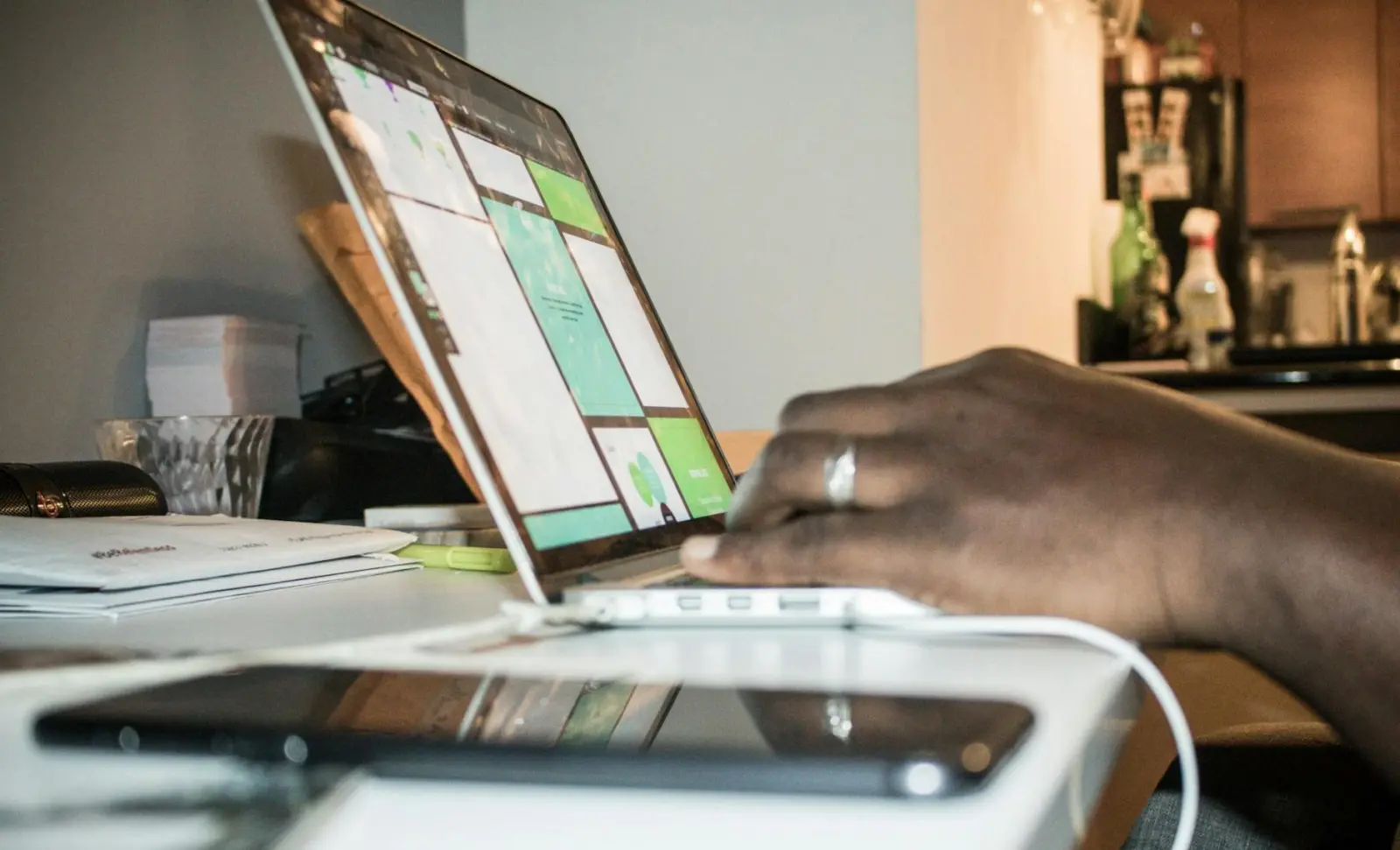
Another practical application is using an old TV as a dedicated monitor for a home office setup. This can be particularly useful for those working remotely. The larger screen can enhance productivity, allowing for multiple documents or applications to be viewed simultaneously. However, it’s essential to ensure the device can handle the necessary load. Older models might struggle with high-resolution content or prolonged use, leading to overheating or image distortion.
In more creative settings, I’ve seen individuals convert old televisions into unique furniture pieces. A television cabinet, for instance, can provide both storage and a conversation starter. This kind of repurposing not only reduces waste but also adds character to a room.
However, it’s crucial to approach these projects with an understanding of the limitations of older technology. Many older TVs can face issues like screen burn-in and component failure over time, especially if they have been exposed to heat or humidity in non-climate-controlled environments. Monitoring these factors can prevent disappointment when attempting to repurpose a device.
Overall, the potential for repurposing old TVs is significant, offering practical solutions that can mitigate waste while enhancing everyday life. With a bit of creativity and awareness of the device’s condition, what was once considered outdated can find new relevance in our homes.