

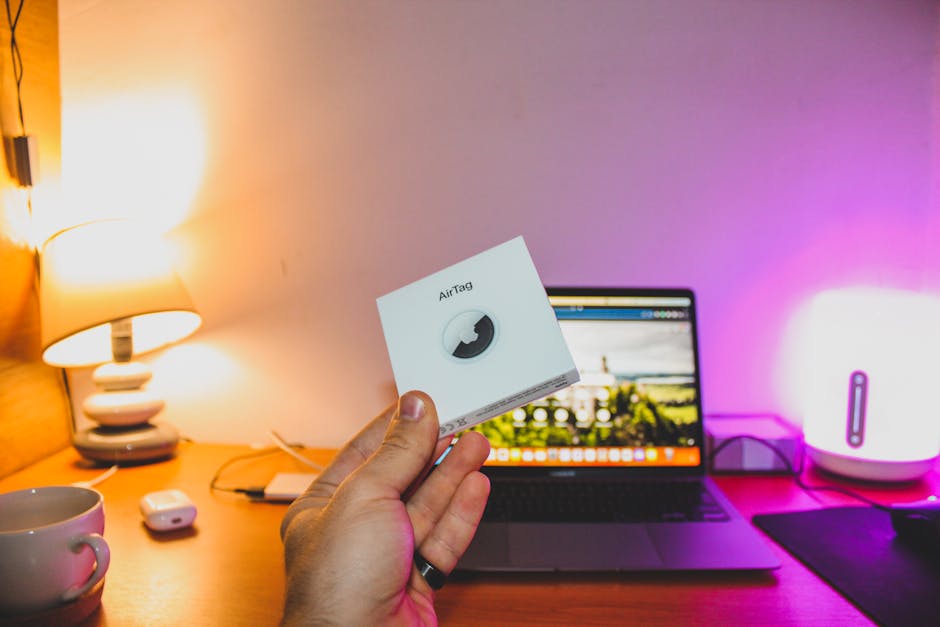
Apple’s AirTag has become a popular tool for tracking personal items. With a design focused on simplicity and ease of use, it offers a straightforward solution to a common problem. However, like any piece of technology, its longevity can be influenced by various real-world factors.
One of the most notable aspects of the AirTag is its battery. Unlike many other Apple devices that require specialized servicing for battery replacements, the AirTag uses a standard CR2032 lithium coin battery. This design choice makes it relatively easy to replace, but it also means that users may overlook how battery performance can be affected by environmental conditions. In practice, I’ve seen that extreme temperatures – both high and low – can significantly shorten battery life. Heat can cause the battery to drain faster, while cold can lead to reduced performance. Users often find themselves replacing batteries more frequently in summer months or during winter when their devices are exposed to temperature fluctuations.
Another consideration is the frequency of use. The AirTag relies on Bluetooth technology to communicate its location. In heavily populated areas or places with many electronic devices, the AirTag may work harder to maintain a connection, which can lead to faster battery depletion. Additionally, if the AirTag is consistently in motion, such as being attached to a keychain that is regularly used, it will also experience more wear and tear. This increased activity can sometimes lead to unexpected failures, such as connectivity issues or even hardware malfunctions.
It’s important to note that while a drop in battery performance is typical over time, other symptoms can indicate deeper issues. For instance, if an AirTag becomes unresponsive or fails to connect despite a fresh battery, it may suggest a problem with the internal components rather than just battery fatigue. In such cases, users should be aware that the device may not be salvageable, even with a new battery.
Ultimately, the longevity of AirTags hinges on a mix of usage patterns and environmental conditions. By being mindful of how and where these devices are used, owners can help extend their lifespan. However, it’s also crucial to recognize that like all technology, they have a finite life, and understanding the signs of wear can prepare users for eventual replacements.