
Japan has a reputation for precision, care, and attention to detail. What many travelers don’t realize is that these same qualities also shape the country’s approach to accessibility. For visitors with mobility challenges, sensory sensitivities, or other access needs, Japan can be not only possible to visit, but genuinely comfortable – when the trip is planned with the right information.
This guide is designed for travelers who want to explore accessible japan in a realistic, informed way. No idealized promises. Just practical insight, grounded in how accessibility actually works on the ground.
Why Japan Is More Accessible Than You Might Expect
Accessibility in Japan is deeply embedded in public infrastructure. While older buildings can still present challenges, most transport systems, hotels, and public spaces have been adapted with universal design principles in mind.
Some features travelers often notice immediately:
- Step-free access in major train stations
- Elevators and tactile paving in urban areas
- Clearly marked priority seating and assistance points
- A culture of staff support that is proactive but respectful
Importantly, accessibility in Japan is not treated as a special service. It is part of everyday design.
Transportation: Getting Around with Confidence
Trains and Subways
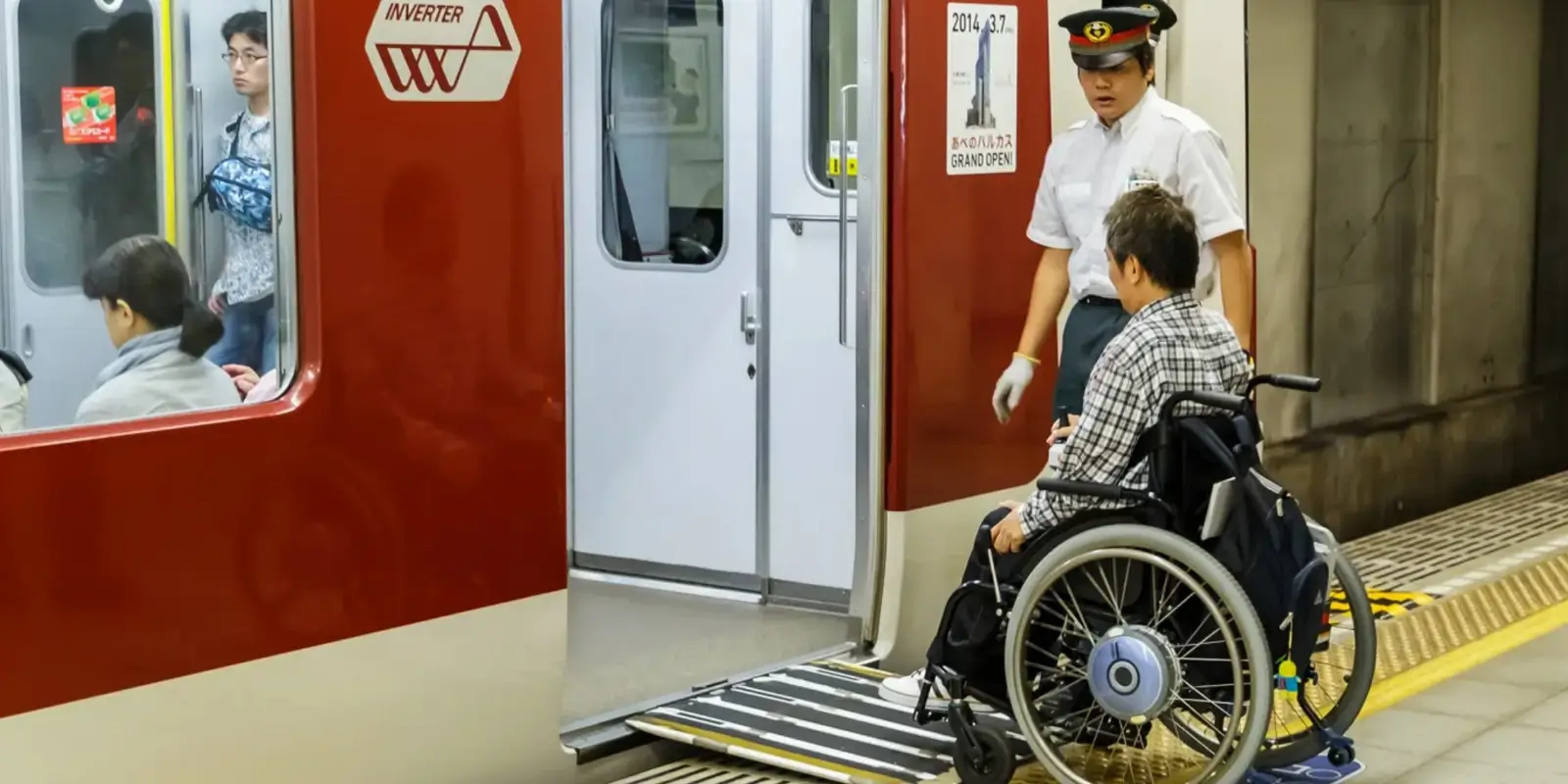
Japan’s rail system is one of the most accessible in the world. Major stations have elevators, ramps, and wide ticket gates. Station staff are trained to assist travelers who need help boarding or transferring, often coordinating support across stations if needed.
Platform gaps and height differences are managed carefully, and assistance ramps are commonly available upon request.
Buses and Taxis
Low-floor buses operate in many cities, and accessible taxis can be booked in advance. While availability varies by region, urban areas are particularly well prepared.
Accommodation: What to Look For
Many hotels in Japan offer accessible rooms, especially business hotels and international chains. These rooms typically include:
- Wider doorways
- Step-free bathrooms or roll-in showers
- Lowered beds and switches
That said, room availability can be limited. Booking early and confirming specific features directly with the hotel is always recommended.
Attractions, Culture, and Daily Life
Japan’s most popular attractions – museums, temples, shopping districts – are increasingly accessible. While some historic sites have unavoidable steps, alternative viewing routes or assistance options are often provided.
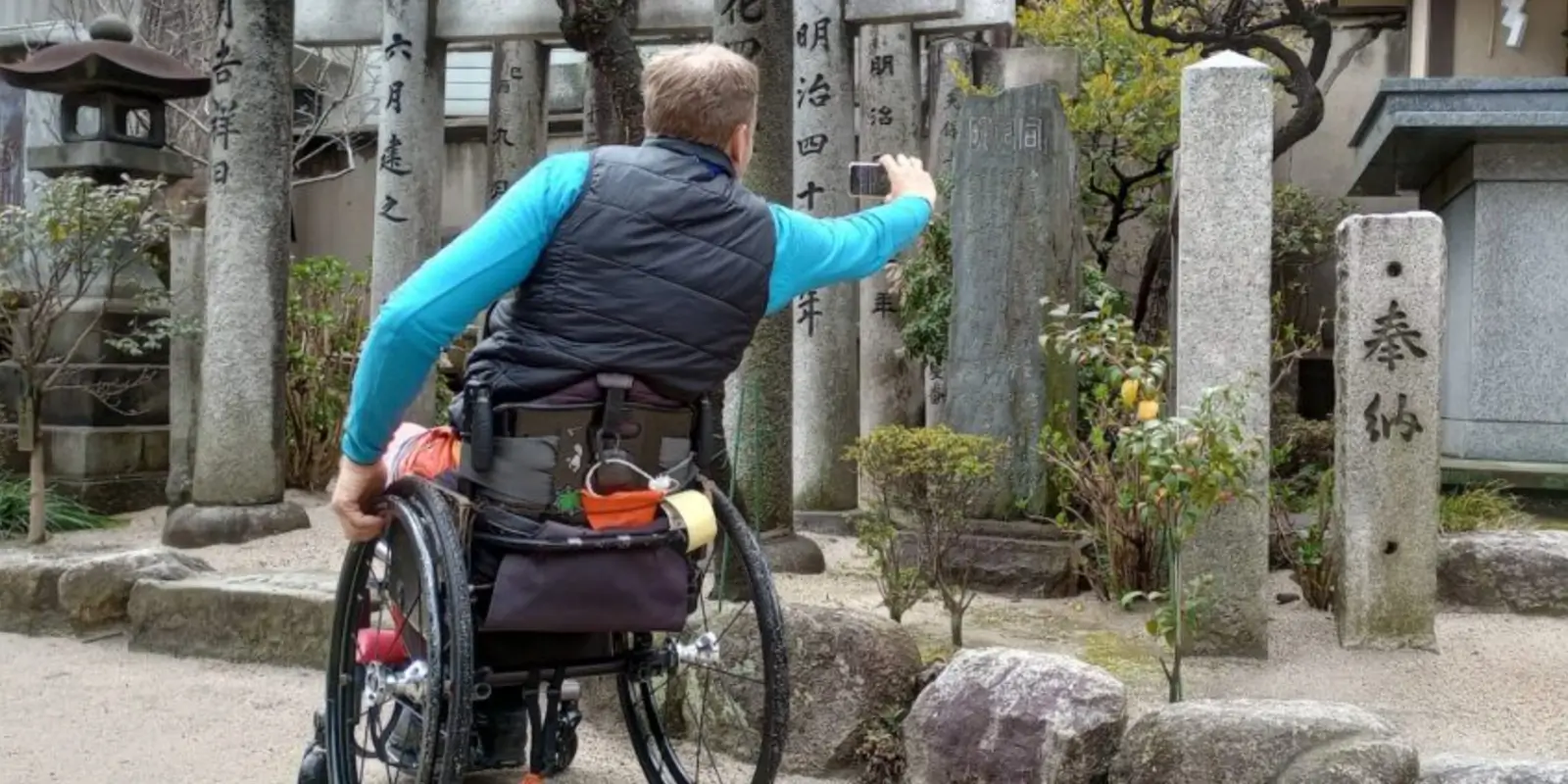
Even in crowded areas, people tend to be attentive to personal space and movement needs. This can make navigating busy streets or stations less stressful than expected.
Staying Connected: Why Mobile Access Matters
For accessible travel, reliable connectivity is not optional – it is essential. Real-time maps, transport updates, translation tools, and accessibility apps all depend on stable internet access.
Using a dedicated mobile data solution like the Mobal Japan SIM card allows travelers to:
- Navigate stations and routes confidently
- Check elevator availability and station layouts
- Communicate quickly if plans change
- Access emergency or assistance information
For travelers who rely on planning and predictability, staying connected reduces friction at every step.
Planning Ahead: Small Decisions, Big Impact
Accessible travel in Japan works best when preparation meets flexibility. A few practical recommendations:
- Research station layouts for major transfers
- Choose accommodations near well-connected transport hubs
- Allow extra time for transfers, especially during peak hours
- Don’t hesitate to ask station staff for help – assistance is normal and expected
Japan rewards thoughtful planning, but it also supports travelers when plans change.
A Different Way to Experience Japan
Traveling through Japan with accessibility in mind often leads to a slower, more intentional experience. One that emphasizes observation over rushing, presence over pressure. Many travelers find that this pace allows them to notice details others miss – design, courtesy, quiet efficiency.
Accessible travel here is not about limitation. It’s about alignment: between infrastructure, culture, and the traveler’s real needs.
Japan is not a perfect destination – but it is a remarkably considerate one. With the right information, realistic expectations, and reliable tools, visiting accessible japan becomes not just feasible, but deeply rewarding.